
 August 26, 2025
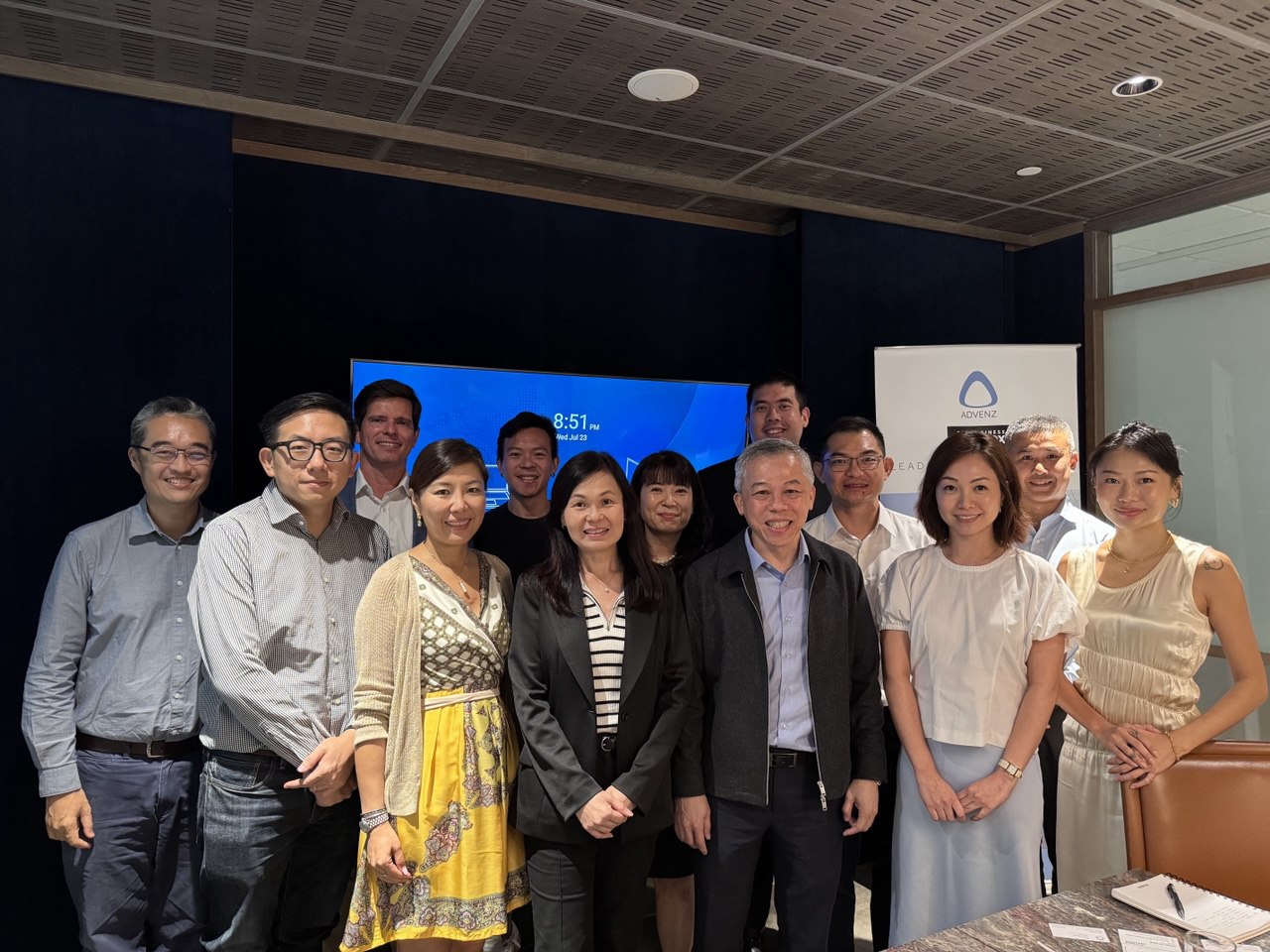
On 28 August 2025, we hosted an engaging AI Leadership round table, where participants explored how businesses can approach AI though 3 critical lenses: creating value for customers, capturing that value in sustainable models and protecting it through responsible governance. The discussion highlighted the hype around generative AI, the untapped potential in machine learning, and the importance of industry-specific applications. With lively exchanges and thought-provoking insights, the session encouraged leaders to challenge old assumptions and view AI as a powerful tool for reinvention and growth.

From Creation to Capture
To bring these ideas to life, the group explored how AI is already shaping customer experiences. Take Duolingo, for example, an app that has leveraged AI to personalize and gamify language learning. It is a simple case, but it shows how AI can open doors to entirely new experiences that were not possible before.
But creating value is only half the story. The conversation shifted to the harder question: how do companies actually capture that value? With so many AI tools available for free, business leaders need to think beyond hype. What is the sustainable business model? How do we make sure innovation is not just exciting, but profitable?
Protecting Value and Earning Trust
The third lens, protecting value, brought the discussion back to governance and ethics. Without trust, no amount of innovation will last. Responsible use of AI, with the right safeguards in place, ensures that companies not only grow but also retain their “license to operate” in the eyes of customers, regulators, and society.
A Reality Check on AI Investments
When asked about investments, the speaker was candid: generative AI may be grabbing headlines, but it is also overhyped and overpriced. The real opportunities lie in less flashy areas like machine learning and deep learning, where valuations are more reasonable and much remains to be explored. Just as important, industry-specific applications often hold the greatest potential. For example, AI tailored for the maritime sector or any niche industry can deliver far more impact than broad, one-size-fits-all tools.
Letting Go of Old Assumptions
A recurring theme was the need to challenge assumptions. History offers a reminder: when photography was invented, many artists feared the end of portraiture, yet it sparked entirely new creative movements. Similarly, today’s AI disruption is not the end of work or creativity, but an invitation to reinvent how we see value, careers, and industries.
Looking Ahead
The roundtable closed on an energizing note: AI should not be seen as an abstract trend, but as a tool for rethinking how we create, capture, and protect value. Leaders who approach it with curiosity, open-mindedness, and a willingness to question old ways of working will be best positioned to thrive.
As the speaker reminded the group, everything old becomes new again. AI is simply the latest wave of reinvention, and the challenge for today’s leaders is to ride it thoughtfully.